
 Akcijos
 Imunitetui
 Virškinimui ir žarnynui
 Širdžiai ir kraujotakai
 Kaulams ir sąnariams
 Nervų sistemai
 Raumenims
 Energijai
 Svorio kontrolei
 Grožiui
 Skausmui ir uždegimams
 Protinei veiklai
 Bendrai sveikatai
 Ilgaamžiskumui
Viskas apie matcha: rūšys, nauda sveikatai, paruošimas ir geriausi milteliai
Matcha – tai subtiliai malti japoniškos žaliosios arbatos milteliai, kurie pastaraisiais metais pelnytai užkariavo gerovės ir kulinarijos pasaulius.
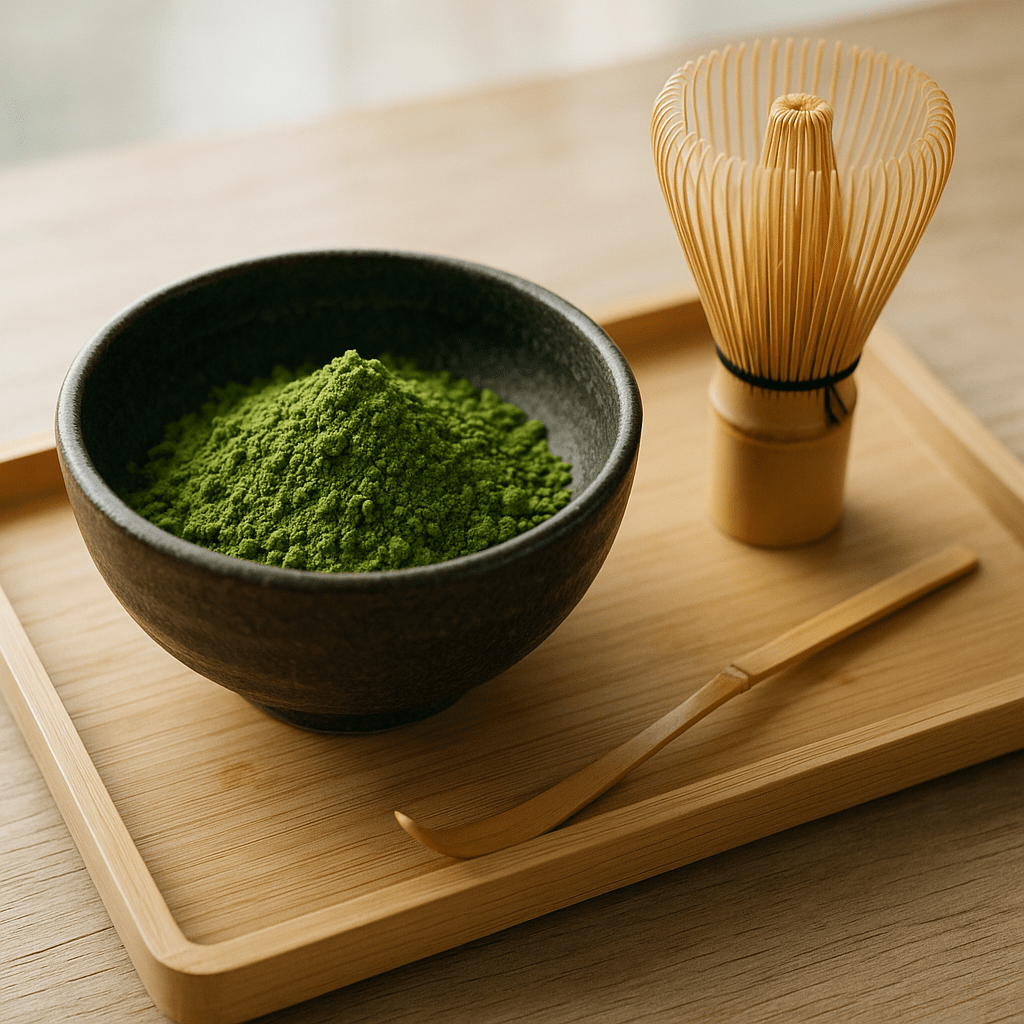
Skirtingai nuo įprastos arbatos, kurią užpilame ir nupilame, vartodami matcha, mes suvalgome visą arbatžolės lapelį, gaudami koncentruotą antioksidantų, vitaminų ir mineralų dozę. Jos istorija siekia 12-ąjį amžių Japonijoje, kur ji buvo naudojama tradicinėse arbatos ceremonijose. Šiandien matcha vertinama ne tik dėl savo subtilaus, sodraus skonio, bet ir dėl daugelio naudingų savybių.
Šiame išsamiame vadove sužinosite viską apie matcha– nuo jos kilmės ir rūšių iki paruošimo būdų ir geriausių miltelių pasirinkimo. Suprasite, kuo skiriasi ceremoninė ir kulinarinė matcha, kaip teisingai ją paruošti namuose ir kaip išsirinkti aukščiausios kokybės produktą.
Kas yra matcha?
Matcha – tai smulkiai sumalti žaliosios arbatos lapeliai, auginami ir apdorojami ypatingu būdu. Tai ne šiaip žalioji arbata – tai ištisa japoniška tradicija, virtusi populiariu gėrimu visame pasaulyje.
Matchos gamyba prasideda likus kelioms savaitėms iki derliaus nuėmimo, kai arbatmedžiai (Camellia sinensis) apdengiami specialiomis konstrukcijomis, apsaugančiomis juos nuo tiesioginių saulės spindulių. Šis procesas vadinamas „šadingu” (pavėsinimu) ir skatina chlorofilo gamybą lapuose, suteikia jiems ryškią, sodrią žalią spalvą bei didina L-teanino, amino rūgšties, sukeliančios atsipalaidavimo būseną, kiekį.
Nuėmus derlių, lapeliai garinami, džiovinami ir kruopščiai atskiriami nuo stiebų bei gyslų. Šis tarpinis produktas vadinamas „tencha”. Vėliau tencha malama tarp granitinių akmenų, kol virsta itin smulkiais milteliais – tikra matcha. Tradiciškai šis malimo procesas būdavo lėtas ir kruopštus, 30 g matchos galėjo užtrukti iki valandos.
Aukščiausios kokybės matcha dažniausiai gaminama Uji, Nishio, Shizuoka ir Kagoshima regionuose Japonijoje.

Ypač vertinama Uji matcha, gaminama Kioto apylinkėse, dėl turtingo skonio ir gilios istorijos.
Kuo matcha skiriasi nuo įprastos žaliosios arbatos?
Pagrindiniai matchos ir įprastos žaliosios arbatos skirtumai yra auginimo, apdorojimo ir vartojimo būdai:
- Auginimas: matcha auginama pavėsyje paskutines 3-4 savaites prieš derliaus nuėmimą, o įprasta žalioji arbata – saulėje.
- Vartojimas: vartodami matcha, suvalgome visą arbatžolės lapelį, nes milteliai suspenduojami vandenyje, o įprastą žaliąją arbatą tik užpilame ir geriame.
- Maistinė vertė: matchoje yra žymiai didesnis antioksidantų, vitaminų ir mineralų kiekis, nes suvartojamas visas lapelis.
- Skonis: matchai būdingas sodrus, žemiškas, kartais net saldus skonis su jūros dumblių užuominomis, tuo tarpu įprasta žalioji arbata pasižymi lengvesniu, švelnesniu skoniu.
- Energija: dėl unikalaus L-teanino ir kofeino derinio matcha suteikia ilgalaikę energiją, tačiau be būdingo „šoko”, kurį dažnai sukelia kiti kofeino šaltiniai.
Matchos rūšys ir klasės: ceremoninė ir kulinarinė
Matchos pasaulyje egzistuoja įvairios kokybės klasės, tačiau paprasčiausias skirstymas yra į ceremoninę ir kulinarinę matcha. Šis skirstymas padeda vartotojams suprasti, kokiam tikslui konkreti matcha tinkama geriausiai.
Svarbu paminėti, kad Japonijoje nėra oficialios matchos klasifikavimo sistemos, o terminas „ceremoninė” iš pradžių atsirado Vakarų rinkoje. Vis dėlto, skirstymas tapo naudinga gaire pirkėjams.
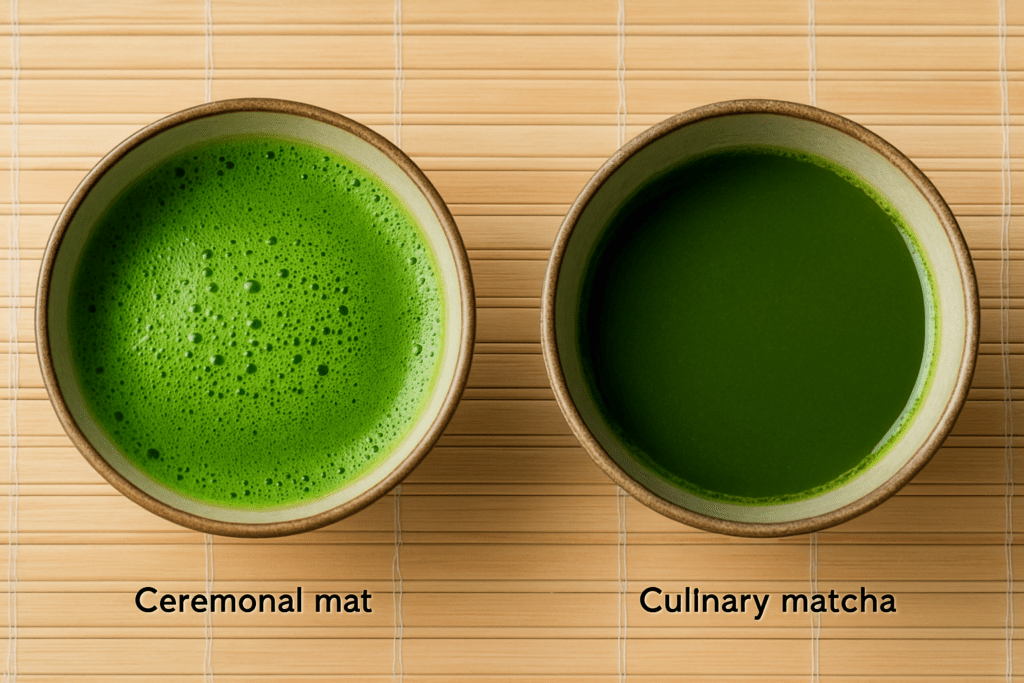
Ceremoninė matcha – aukščiausios kokybės matcha, pagaminta iš jauniausių, švelniausiojo skonio lapelių, dažniausiai iš pirmojo derliaus. Tai klasė, skirta vartoti gryną, tradicinei arbatos ceremonijai. Ji pasižymi švelniu, subtiliu skoniu, saldžiomis užuominomis ir neturi kartumo. Ceremoninės matchos spalva yra ryški, sodri žalia. Ji yra brangiausia, nes gaminama iš aukščiausios kokybės žaliavos.
Kulinarinė matcha – žemesnės kokybės matcha, dažnai gaminama iš vėlesnio derliaus lapelių. Ji tinka maisto gaminimui, kepiniams, latėms ir kitiems gėrimams. Kulinarinė matcha dažnai pasižymi ryškesniu kartumu, stipresniu skoniu ir ne tokia intensyvia žalia spalva. Ji yra pigesnė ir puikiai tinka eksperimentams virtuvėje.
Vakarų rinkoje kartais galime sutikti ir tarpines klasifikacijas – „premium”, „cafe-grade” ar „latte-grade” matchą. Šie terminai ne visada atspindi japonišką kokybės supratimą, tačiau padeda vartotojams orientuotis kainų ir kokybės skalėje.
Kaip išsirinkti tinkamą klasę pagal poreikius?
Renkantis matcha, svarbu apgalvoti, kaip ketinate ją vartoti:
Tradiciniam gėrimui: Rinkitės ceremoninę matcha, jei norite mėgautis grynu matchos skoniu, gerti ją tradiciškai paruoštą su vandeniu. Tai geriausias būdas pajusti subtilų ir kokybišką matchos profilį.
Latėms ir gėrimams su pienu: Galite rinktis aukštesnės kokybės kulinarinę matcha arba tarpinės klasės „latte-grade” matčą. Pienas ir kiti priedai užmaskuos subtiliausius skonių niuansus, todėl brangiausia matcha čia nebūtina.
Kepiniams ir patiekalams: Kulinarinė matcha puikiai tinka kepiniams, ledams, pudingams ir kitiems patiekalams. Jos stipresnis skonis išlieka net po terminio apdorojimo.
Pradedantiesiems: Jei tik pradedate pažintį su mattcha, galite rinktis aukštesnės kokybės kulinarinę matcha. Ji kainuos mažiau nei ceremoninė, bet vis tiek leis patirti tikrąjį matchos skonio profilį.
Atminkite, kad kaina dažnai atspindi kokybę – aukštos kokybės matcha retai būna pigi, tačiau tai nereiškia, kad brangiausia matcha visada bus jums tinkamiausia.
Matchos nauda sveikatai
Matcha garsėja daugybe naudingų savybių, dėl kurių ji tapo populiari tarp sveikos gyvensenos entuziastų.
Kadangi vartodami matchą suvalgome visą lapelį, gauname visą spektrą maistingųjų medžiagų.
Vienas išskirtiniausių matchos privalumų – neįprastai didelis antioksidantų, ypač katechinų, kiekis. Pagrindinis katechinas matchoje yra epigalokatechino galatas (EGCG), kuris siejamas su įvairia nauda sveikatai. Tyrimai rodo, kad matchoje antioksidantų gali būti 3 kartus daugiau nei aukštos kokybės žaliojoje arbatoje.
Matcha taip pat išsiskiria unikalia L-teanino ir kofeino kombinacija. L-teaninas yra amino rūgštis, kuri skatina alfa bangų aktyvumą smegenyse, sukurdama atsipalaidavimo būseną, tačiau nesukeldama mieguistumo. Kartu su kofeinu, kuris suteikia energijos, ši kombinacija sukuria unikalų „budrų atsipalaidavimą” – energijos antplūdį be nervingumo ar energijos šuolių, būdingų kavai.
Kitos galimos matčos naudingos savybės:
- Gali padėti palaikyti medžiagų apykaitą ir padėti kontroliuoti svorį
- Gali prisidėti prie širdies sveikatos palaikymo mažinant „blogojo” cholesterolio kiekį
- Gali padėti sureguliuoti cukraus kiekį kraujyje
- Turi priešuždegiminių savybių
- Gali prisidėti prie odos sveikatos dėl didelio antioksidantų kiekio
Kalbant apie kofeino kiekį, viename 2 g matchos porcijai tenka apie 60-70 mg kofeino, palyginus su maždaug 95 mg puodelyje kavos. Tačiau dėl L-teanino poveikio kofeinas įsisavinamas lėčiau, suteikdamas stabilios energijos 3-6 valandoms, be staigių energijos šuolių ar kritimų.
Nors matcha turi daug potencialių naudingų savybių, svarbu nepamiršti, kad ji nėra stebuklingas vaistas. Naudingiausia matcha tampa kaip dalis bendros sveikos gyvensenos, įskaitant subalansuotą mitybą ir reguliarų fizinį aktyvumą.
Kaip paruošti matchą: tradiciniai ir šiuolaikiniai metodai
Matchos paruošimas gali tapti tikra ceremonija arba greitu malonia energijos šaltiniu, priklausomai nuo jūsų poreikių. Susipažinkime su tradiciniu ir šiuolaikiniais matchos paruošimo būdais.
Tradicinis japoniškas matchos paruošimas, vadinamas „usucha” (plona arbata), yra tikriausiai gryniausias būdas patirti matchos skonio subtilybes:
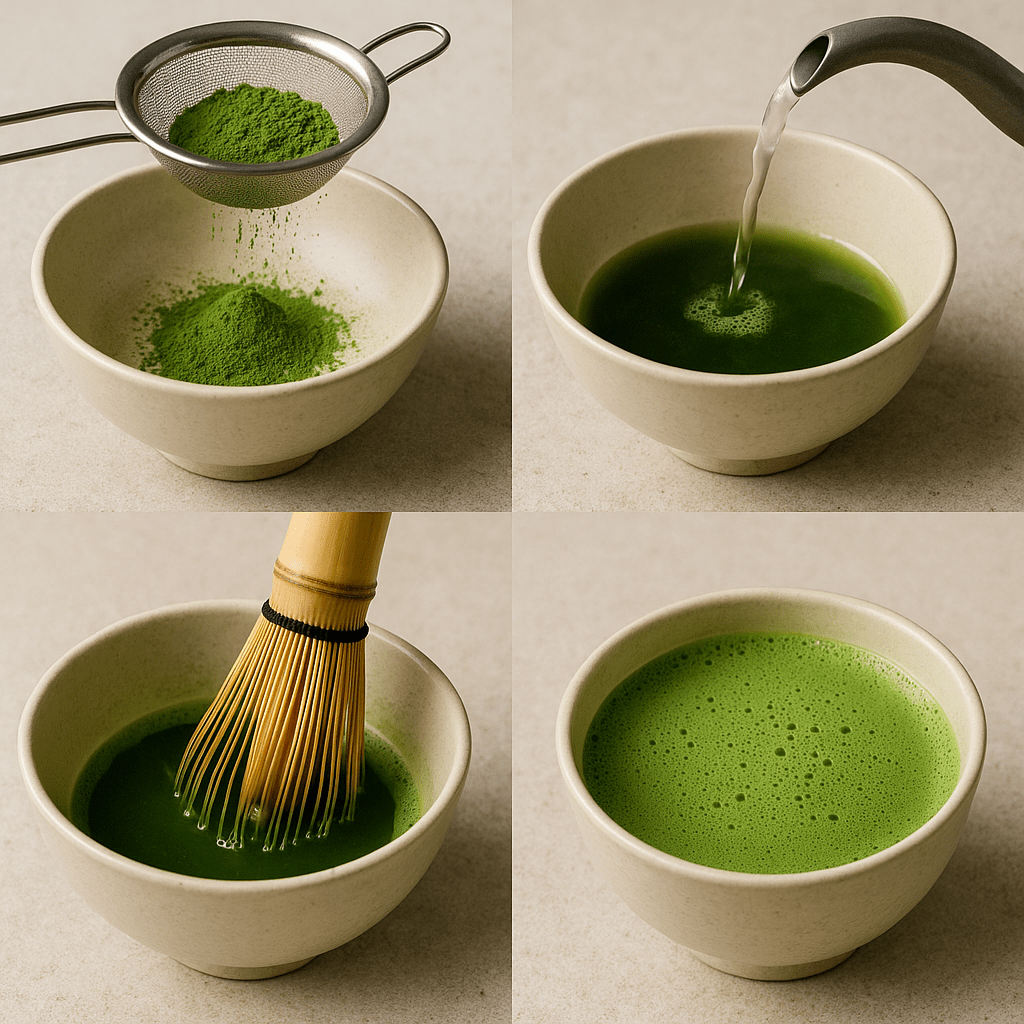
- Įkaitinkite chawan (arbatos dubenėlį), įpildami karšto vandens, tada išpilkite.
- Išsijokite 2 g (apie 1/2-1 arbatinio šaukštelio) matchos miltelių į dubenėlį, kad neliktų gumulėlių.
- Įpilkite apie 60-80 ml vandens, kurio temperatūra 70-80°C (ne verdančio!).
- Naudodami chasen (bambuko šluotelę), suplakite matcha „W” arba „M” formos judesiais, kol paviršiuje susiformuos švelni, kreminė puta.
- Mėgaukitės iškart paruošę, nedelsiant.
Šiuolaikinis matchos latės paruošimas:
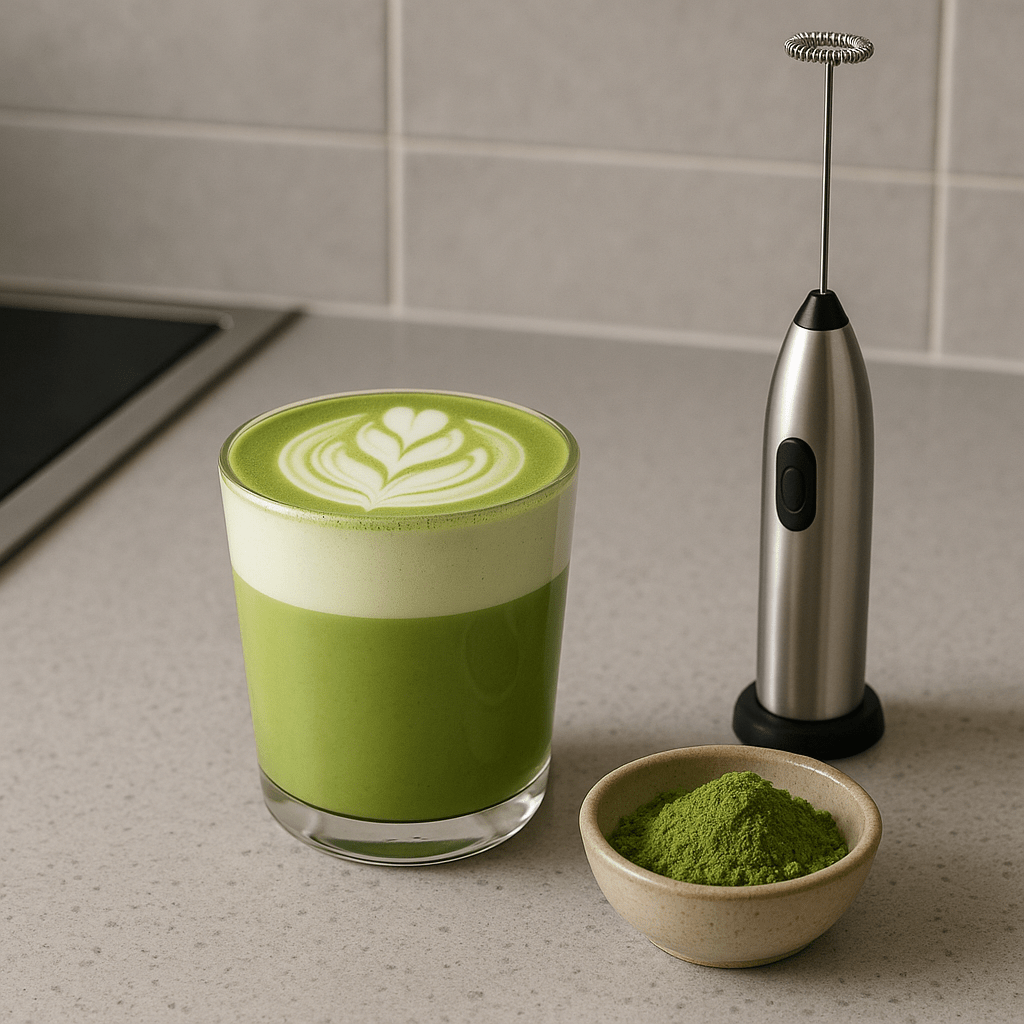
- Išsijokite 1-2 g matchos į puodelį.
- Įpilkite 30-60 ml karšto vandens (70-80°C) ir gerai išmaišykite, kol neliks gumulėlių.
- Atskirai pašildykite ir išputokite 150-200 ml pieno (galima naudoti augalinius pieno pakaitalus).
- Supilkite išputotą pieną į matchos mišinį.
- Jei pageidaujate, pasaldinkite medumi ar kitu natūraliu saldikliu.
Šaltos matčos paruošimas:
- Sumaišykite 1-2 g matchos su nedideliu kiekiu šilto vandens, kad suformuotumėte pastą be gumulėlių.
- Įpilkite 200-250 ml šalto vandens arba pieno.
- Energingai suplakite rankiniu plaktuvu arba supilkite į uždaromą indą ir gerai supurtykite.
- Patiekite su ledukais.
Būtini įrankiai matchos paruošimui
Tradiciniam matchos paruošimui naudojami specialūs įrankiai, turintys gilią kultūrinę prasmę:
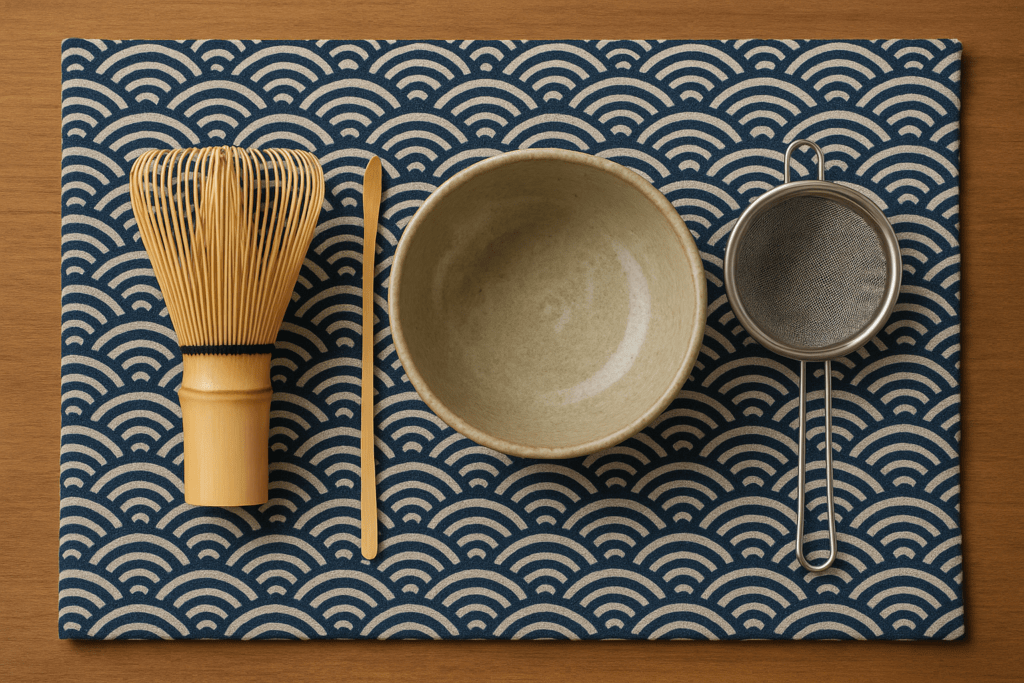
- Chasen (bambuko šluotelė): specialiai rankomis pagaminta bambuko šluotelė su 80-120 virbalėlių, skirta matchai suplakti.
- Chawan (arbatos dubenėlis): tradicinis keramikos dubenėlis matchai gerti, dažnai rankų darbo.
- Chashaku (bambuko samtelis): specialus samtelis matchos milteliams semti (apie 1 g matchos).
- Furui (sieteliai): smulkus sietelis gumulėliams pašalinti.
Šiuolaikiniai alternatyvūs įrankiai:
- Elektrinis ar rankinis pieno plaktuvas: tinka latėms ir greitam paruošimui.
- Arbatinukas su gulsčiu snapeliu: tiksliam vandens temperatūros kontroliavimui.
- Matavimo šaukštelis: preciziškai matchos dozei.
- Termosas: kelionėms ir matchai kelyje.
Patarimai tobulai matchai kiekvieną kartą
- Visada sijokite matchos miltelius, kad išvengtumėte gumulėlių.
- Stebėkite vandens temperatūrą: per karštas vanduo (virš 80°C) sugadins matchą, suteikdamas jai kartų skonį.
- Naudokite tinkamą vandens kiekį: tradicinei matchai santykis yra apie 1:30 (milteliai:vanduo).
- Plakite teisingai: greiti „W” arba „M” formos judesiai sukuria geresnę putą nei paprastas maišymas ratu.
- Eksperimentuokite su augaliniais pieno pakaitalais: kokosų, migdolų, avižų pienas suteikia skirtingus skonius latėms.
- Išgerkite iškart: matcha nėra skirta ilgai laikyti paruošta, nes milteliai nusėda ir skonis keičiasi.
- Dekoruokite: latėms galite naudoti cinamoną, kakavą ar vanilę papildomam skoniui.
Matchos miltelių pirkimo gidas: į ką atkreipti dėmesį
Renkantis matchą, svarbu atkreipti dėmesį į kelis esminius aspektus, kurie padės įsigyti kokybišką produktą.
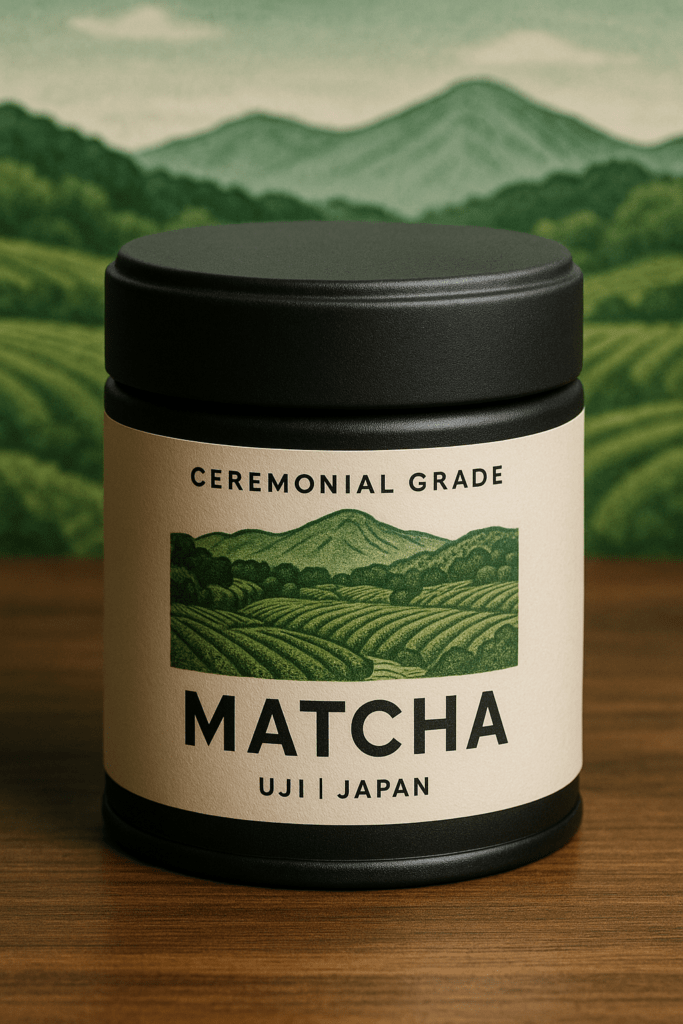
Kokybiškos matchos pasirinkimas gali iš esmės pakeisti jūsų patirtį.
Pirmiausia atkreipkite dėmesį į matchos kilmės vietą. Japonija, ypač Uji, Nishio, Kagoshima ir Shizuoka regionai, yra žinomi dėl aukštos kokybės matchos. Kilmės vietos nurodymas etiketėje dažnai rodo gamintojo skaidrumą. Ypač vertinama yra vietovė Uji netoli Kioto – tai lyg šampano regionas matchos pasaulyje.
Spalva yra vienas svarbiausių kokybės rodiklių. Aukštos kokybės matcha turėtų būti ryškiai žalia, su subtiliu žalsvai gelsvu atspalviu. Blyški, gelsva ar rusvai žalia spalva dažnai rodo oksidaciją arba prastesnės kokybės lapus. Geras ženklas – jei gamintojas rodo tikras savo produkto nuotraukas, ne tik bendrines matchos iliustracijas.
Šviežumas yra kritiškai svarbus matchai. Ieškokite gamintojų, kurie nurodo derliaus datą arba „geriausias iki” datą. Kokybišką matcha geriausia suvartoti per 3-6 mėnesius nuo pakuotės atidarymo ir per metus nuo derliaus nuėmimo. Atkreipkite dėmesį į pakuotės sandarumą – geriausia, jei matča supakuota vakuuminėje, šviesos nepraleidžiančioje pakuotėje.
Kaina taip pat yra svarbus rodiklis. Aukštos kokybės ceremoninė matcha nebus pigi – 30 g kokybiškas ceremoninės matčos kaina paprastai prasideda nuo 25-30 eurų. Jei produktas reklamuojamas kaip „ceremoninė matcha” už labai mažą kainą, tai gali būti ženklas, kad tai iš tikrųjų yra žemesnės kokybės produktas.
Ekologiškumo sertifikatai nėra būtini kokybiškos matchos požymiai, tačiau jie gali suteikti papildomo pasitikėjimo. Ieškokite JAS (Japonijos žemės ūkio standartas), USDA Organic ar ES ekologiškos gamybos sertifikatų.
Jei įmanoma, ieškokite „single-origin” (vienos kilmės) matchos. Tai reiškia, kad arbata surinkta iš vieno konkretaus regiono ar net ūkio, o ne sumaišyta iš skirtingų šaltinių. Tokia matcha dažnai pasižymi nuoseklesniu, išskirtiniu skoniu.
Patarimai, kaip išlaikyti matcha šviežią
Matcha yra labai jautri oro, šviesos, šilumos ir drėgmės poveikiui. Štai keletas patarimų, kaip išlaikyti matcha šviežią:
- Laikykite šaldytuve: vėsi temperatūra sulėtina oksidacijos procesus.
- Naudokite oro nepraleidžiančią talpą: geriausia vakuuminė ar su specialiu vožtuvu, išleidžiančiu orą.
- Saugokite nuo šviesos: tamsios spalvos arba nepermatoma talpa apsaugos nuo UV spindulių.
- Pirkite mažesniais kiekiais: geriau pirkti dažniau mažesniais kiekiais nei iš karto daug.
- Perkėlę iš originalios pakuotės, išsaugokite informaciją apie galiojimo laiką.
- Laikykite atokiai nuo stiprių kvapų: matcha gali absorbuoti aplinkos kvapus.
Tinkamai laikoma, matcha išlieka kokybiška apie 6-8 savaites po atidarymo. Uždara, vakuuminė pakuotė – iki metų nuo pagaminimo datos. Ieškant geriausių matchos miltelių, išbandžiau įvairius produktus, vertindamas jų skonį, spalvą, tekstūrą ir bendras savybes skirtingose kategorijose.
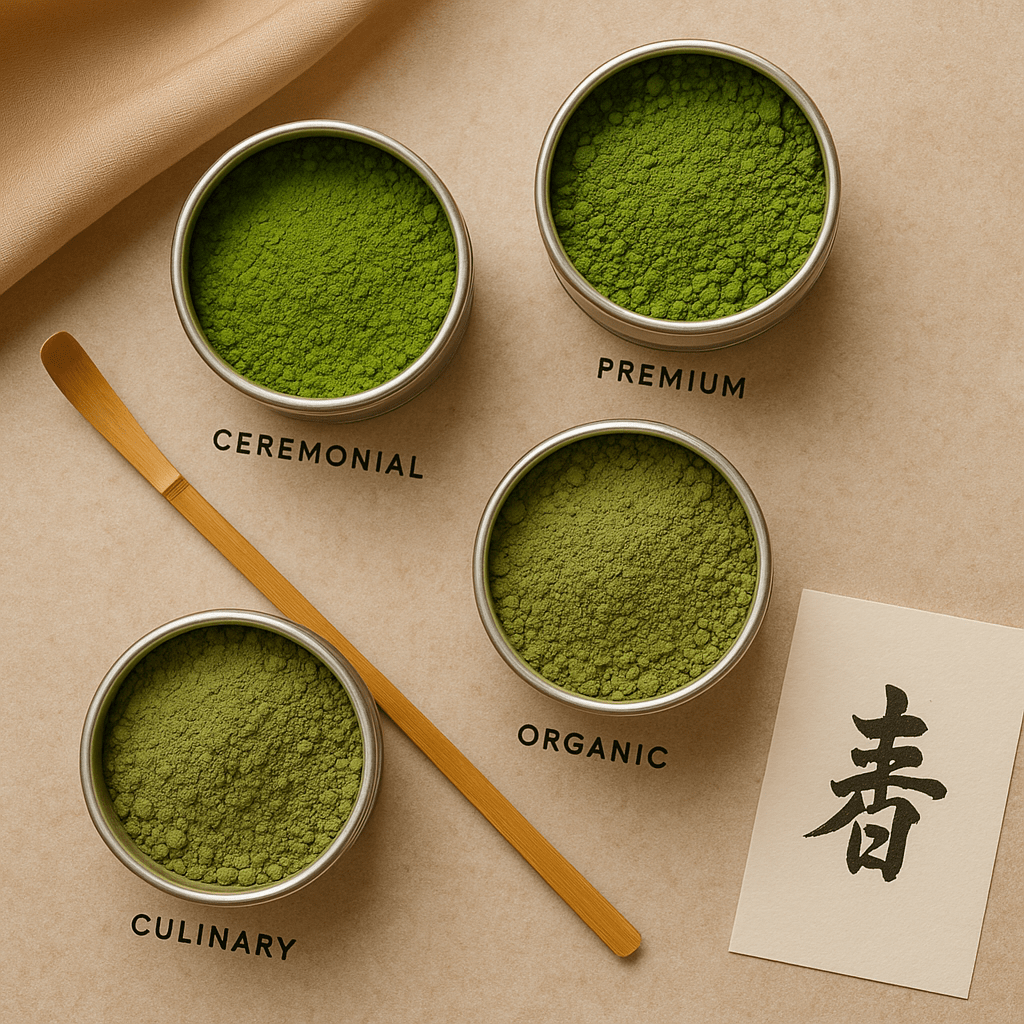
Štai išsamūs rezultatai, kurie padės pasirinkti geriausią matcha pagal jūsų poreikius.
Geriausia bendra matcha miltelių kokybė
Ippodo Tea Ummon-no-mukashi – ši ceremoninė matcha iš Uji regiono pasižymi nuostabiai sodria, ryškiai žalia spalva ir puikiai subalansuotu, švelniu skoniu su saldžiomis užuominomis. Ji neturi kartumo, o putos tekstūra yra kreminė ir ilgai išliekanti. Nors kaina aukštesnė (apie 40 EUR už 40 g), kokybė pateisina investiciją tikriems matcha entuziastams. Puikiai tinka tradiciniam paruošimui ir yra tobulas pasirinkimas ypatingiems momentams.
Geriausia matcha latėms
Matchaeologist Matsu – ši premium klasės matcha idealiai subalansuota latėms. Matsu pasižymi sodriu, riešutiniu skoniu, kuris puikiai dera su pienu, bet nepraranda savo charakterio. Jos spalva išlieka ryški net sumaišius su pienu, o skonis – pakankamai stiprus, kad prasiskverbtų pro pieno kremiškumą. Jos subtilus kartumas suteikia latei gylį. Nedidelė 20 g pakuotė kainuoja apie 22 EUR – tai geras kompromisas tarp kainos ir kokybės.
Geriausia kainos ir kokybės santykio matcha
Mizuba Tea Nagomi – šis „kasdieninis” variantas siūlo stebinančią kokybę už patrauklią kainą. Nagomi pasižymi ryškia žalia spalva ir subalansuotu skoniu, kuriame jaučiamos subtilios žolės ir riešutų natos. Nors ji neturi tokio sudėtingumo kaip brangesnės alternatyvos, tai puikus pasirinkimas kasdieniam vartojimui. Kaina – apie 20 EUR už 40 g – daro ją prieinama tiems, kas nori gerti kokybišką matcha kasdien.
Geriausia matcha kepiniams
Aiya Culinary Matcha – ši specialiai kulinarijos tikslams sukurta matcha pasižymi stipriu, išraiškingu skoniu, kuris išlieka net po terminio apdorojimo. Ji turi ryškesnį kartumą, palyginti su ceremonine matcha, bet tai privalumas kepiniuose, ypač derinant su saldikliais. Kaina – apie 15 EUR už 100 g – daro ją ekonomišku pasirinkimu eksperimentams virtuvėje. Puikiai tinka pyragams, sausainiams, ledams ir kitiems desertams.
Kiti verti dėmesio matcha milteliai
- Encha Organic Ceremonial Grade – ekologiška matcha iš Uji regiono, pasižyminti švelniu, saldžiu skoniu ir šviesiai žalia spalva. Sertifikuota USDA Organic. Vidutinės aukštos klasės kaina.
- Kenko Tea Ceremonial Matcha – australiška įmonė, siūlanti aukštos kokybės matcha iš Nishio regiono. Pasižymi sodriu skoniu ir kreminėmis putomis.
- DoMatcha Summer Harvest – vidutinės klasės matcha, tinkanti tiek gėrimui, tiek kulinarijos tikslams. Geras pasirinkimas pradedantiesiems, norintiems susipažinti su matcha pasauliu.
- Jade Leaf Daily Matcha – organiška, prieinama kainos prasme matcha kasdieniam vartojimui. Gamintojas siūlo įvairias pakuotės dydžių opcijas, todėl galima pradėti nuo mažo kiekio.
Nepriklausomai nuo pasirinkimo, svarbiausia yra laikyti matcha tinkamomis sąlygomis ir suvartoti kuo greičiau po atidarymo, kad išlaikytumėte jos ypatingas savybes ir skonį.
Matcha – tai daugiau nei tiesiog arbata, tai patirtis, kuri gali praturtinti jūsų dieną, atverti naujų kulinarinių galimybių ir prisidėti prie bendros gerovės. Pradėję nuo kokybiško produkto ir išmokę tinkamai jį paruošti, atrasite visą japonišką tradiciją, virtusią šiuolaikiniu gerovės simboliu. Ar gersite ją tradiciškai, mėgausitės kaip latė ar įtrauksite į savo kulinarinius šedevrus – matcha neabejotinai taps jūsų gėrimų ir virtuvės atradimu.
Dažniausiai užduodami klausimai (DUK)
Koks skirtumas tarp ceremoninės ir kulinarinės matcha?
Ceremoninė matcha gaminama iš jauniausių, viršutinių lapelių ir yra geriausia gerti; kulinarinė gaminama iš senesnių lapelių ir tinka maisto gamybai ar kepimui, kartais būna karčiau ir mažiau niuansuoto skonio.
Ar matchoje yra daugiau kofeino nei kavoje?
Matchoje yra mažiau kofeino nei daugelyje kavos (paprastai 40–70 mg viename arbatiniame šaukštelyje lyginant su 95 mg puodelyje kavos), tačiau dėl L-teanino ji suteikia ramią, ilgalaikę energiją.
Kaip turėčiau laikyti matcha, kad ji išliktų šviežia?
Laikykite matcha sandariame, šviesą nepraleidžiančiame inde šaldytuve. Suvartokite per 2–3 mėnesius po atidarymo, kad išlaikytumėte geriausią spalvą ir skonį.
Ar galiu naudoti tą pačią matcha tiek gėrimui, tiek kepimui?
Taip, bet ceremoninės klasės matcha geriausia tinka gėrimui, o kulinarinės klasės – kepimui. Universalumui rinkitės prieinamą geriamąją matcha.
Kodėl svarbi matcha miltelių spalva?
Ryški, sodri žalia spalva rodo šviežumą ir aukštesnę kokybę; gelsvos ar drumzlinos spalvos dažnai rodo oksidaciją arba žemesnės kokybės lapelius.